
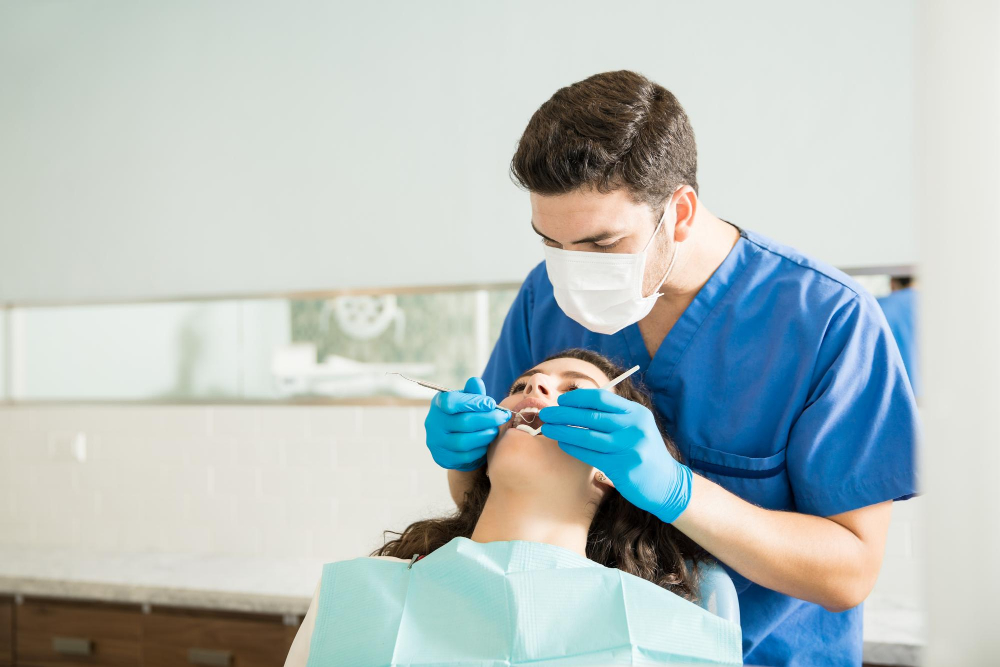
A new scenario for dentistry
The current SARS-CoV-2 pandemic represents a serious threat to the entire population and an issue of great relevance for healthcare operators, especially those who work in close contact with patients, such as dentists and dental hygienists.
What do we know about SARS-CoV-2
SARS-CoV-2 is easily transmitted between people by airborne, but it is also capable of surviving on surfaces for hours or even days. This represents a major challenge for all dental personnel, so the World Health Organization (WHO) continues to provide general guidelines based on data collected by experts worldwide.
Considering the magnitude of the risks to which dental operators are exposed according to the WHO, this article points out some solutions that can be adopted within dental clinics, where the proximity between the patient and the health operator during the treatment is unavoidable and where many procedures generate a high amount of aerosol.
The importance of a common procedure and the role played by hygiene systems and devices, integrated in the equipment and stand-alone sterilization devices, and by the products used to protect or sanitize surfaces exposed to the risk of contamination.
The strategy for the prevention and control of infections developed by the World Health Organization (WHO) include other recommendations, such as triage and the adequate use of environments within the dental clinic.
The WHO´s pandemic declaration has led to the need to define a clear strategy in the fight against SARS-CoV-2, starting with the awareness of the risks and the impact that this pandemic will have on the dental industry, both now and in the future.
Statements by the World Health Organization
The World Health Organization (WHO) has raised some fundamental issues that constitute the strategy for the prevention and control of the infection. These can be summarized in 5 key points:
- Immediate detection and isolation of patients with suspected SARS-CoV-2 infection through a thorough triage.
- Rigorous application of standard precautionary measures for all patients.
- Application of additional precautions in the presence of patients with suspected SARS-CoV-2 infection.
- Development of general administrative controls and the adoption of specific measures for healthcare operators.
- Development of environmental and technical controls related to the consultation basic infrastructure.
This article faces most of these issues, examining specific situations subject to the risk of contamination that deserve utmost attention from dental operators. Its aim is to illustrate how existing solutions, which in some cases have already been certified based on scientific studies and analyses, are simply part of an adequate and validated procedure. These solutions will contribute to a significant reduction in the risks correlated with SARS-CoV-2 infection.

